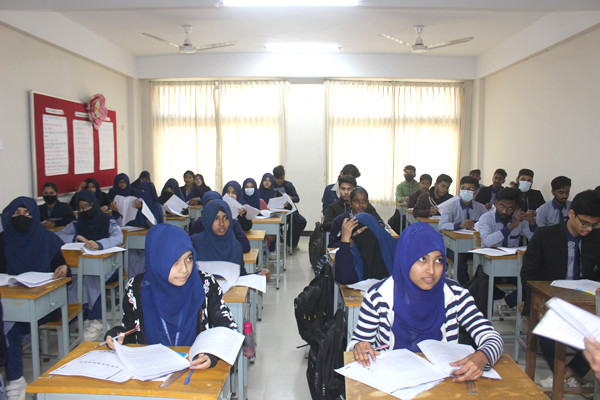
Co-education is where both boys and girls are taught together in the same classroom. This system refers to the mixed-gender education system. Co-education in primary school is common in all countries. Co-education is now available in almost all countries. Additionally, we believe that students who are older, smarter, and more capable should be treated as adults.
Co-education inculcates a spirit of healthy competition among students. But some people oppose this system. Co-education at secondary level has been a controversial issue in the past.
At this stage students are adolescents. It is believed that free intercourse between men and women at this stage of life may interfere with the normal development of the psyche. This is especially true because students are passionate and enthusiastic.
In a populous country like Bangladesh, co-education system is very necessary at least for economic reasons. Classrooms have separate desks and spaces for girls and separate outdoor spaces for boys.
There were male and female teachers who administered discipline and general supervision. When boys and girls socialize with each other from childhood, fear, dread and the mystery of the opposite sex are automatically removed from their minds.
Different levels of co-education in Bangladesh can be listed, they are
Until the mid-19th century, girls were usually educated at home or not at all. Views on this issue vary widely in different parts of the world. Primary education in England and Wales was established under the Primary Education Act of 1870 and is compulsory from the age of five to ten. This period was later extended by another law in 1880. As in other countries, almost all primary education in the UK is co-educational.
The world's oldest co-educational school is Archbishop Tennyson's Anglican School in Croydon. Founded in Surrey in 1714, it is now located in south London. Both male and female students have been enrolled since the beginning of this school year. The school has always been a full-time school and is believed to be the oldest Co-educational school in the world.
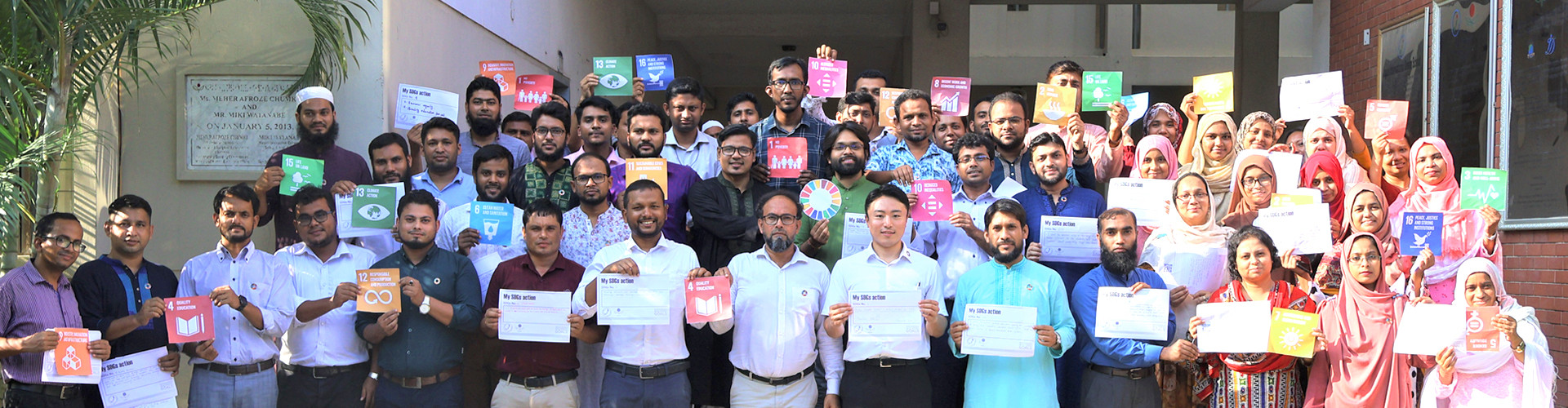
Narayankul Dream Model School & College is a prime example of a international institution embracing the benefits of co-education. As a model educational institution in Bangladesh, the school recognizes that co-education not only fosters a competitive academic environment but also promotes gender equality. It helps students to develop social skills and emotional intelligence, which are essential for their overall growth.
At Narayankul Dream Model School & College, both boys and girls are encouraged to participate in extracurricular activities together, allowing them to break traditional gender stereotypes. The balanced interaction between genders prepares students for the professional world, where teamwork and collaboration are key. Moreover, such an environment creates an inclusive culture, which is vital for the overall development of young minds.
In addition to Narayankul Dream Model School & College, there are other schools in Bangladesh that provide excellent co-educational facilities, such as Japanese schools and Japanese management schools. Japanese schools in Bangladesh, known for their high standards of education, also emphasize discipline, cultural understanding, and innovation, helping students become globally competitive. These schools, among the best in Bangladesh, offer students a unique experience by integrating Japanese education methodologies with the local curriculum. They are well-regarded for producing graduates who excel not only in academics but also in life skills and leadership qualities.
Co-education is thus not only about academic learning but also about preparing the youth of Bangladesh to become responsible citizens in a globalized world. Schools like Narayankul Dream Model School & College, alongside Japanese and management schools, play a pivotal role in shaping well-rounded individuals who are ready to contribute positively to society.

