
An English Version School is an educational institution where the primary language of instruction is English. In these schools, subjects like Math, Science, History, and literature are taught in English, allowing students to improve their language skills while learning other academic content. The learning environment is designed to be both Aesthetic and simple, With classrooms filled with colorful Books, drawing boards, and Art supplies. Whether in Elementary, Middle, or High School, students benefit from being in an immersive English setting. Teachers, often dressed in Uniforms, guide students through lessons in both the classroom and on the campus Playground.
This setup encourages Students to think critically, speak confidently, and engage with learning material in a deeper way. In an English Version School, students can develop strong communication skills while participating in various Design activities or enjoying Anime and Art lessons. The hallways are filled with activity, as students move from one subject to another, whether preparing for College or engaging in collaborative projects. The background of this education system shapes each child into someone who can thrive both academically and socially in a globalized world, ready to engage with others in English-speaking environments.
An English Version School differs from other types of schools primarily in its use of English as the medium of instruction for all subjects. While traditional schools may teach English as a second language or focus on it only in language arts classes, English Version Schools immerse students in English for every subject, such as Math, Science, and History. This approach allows students to not only improve their language skills but also gain knowledge in various academic areas in one of the world’s most widely spoken languages.
Additionally, these schools often have a more global perspective, preparing students to communicate effectively in an English-speaking world. Other schools, especially those in non-English-speaking countries, may focus on their local language for instruction and may offer English only as a subject. In contrast, English Version Schools offer a more immersive environment where students practice English daily, building a stronger foundation for future opportunities in higher education, international careers, and cross-cultural communication. The emphasis is not just on language proficiency, but on preparing students for success in a globalized world.
English Version Schools in Bangladesh began in the 1990s, aiming to combine the national curriculum with English as the medium of instruction. The concept emerged to provide Students with better proficiency in English while following the country’s Education system. Initially, the model was adopted by some elite institutions like cadet colleges and certain government schools. These schools were created to give Students exposure to global communication while keeping them grounded in the local syllabus. Over time, the idea gained popularity, leading to the establishment of more schools offering an English Version curriculum across the campus. The classrooms became the hub of bilingual education, where the focus was on academic Design and personal growth.
In the years that followed, English Version Schools expanded rapidly, especially in urban areas. The demand for these schools grew as parents recognized the value of English fluency in academic and career opportunities. By the early 2000s, numerous schools in Dhaka, Chittagong, and other cities had adopted the English Version model. This expansion continued into rural regions, where some schools integrated the system to provide better learning opportunities. The success of English Version Schools marked a significant shift towards bilingual education, combining local cultural roots with the global advantage of English proficiency. Students in these schools not only had the chance to improve their English skills but also participate in activities that promoted creativity and Art while interacting on the Playground during breaks.
Parents prefer to enroll their children in English Version Schools because they believe it enhances their child’s career opportunities. These schools focus on teaching all subjects in English, which is a global language used in international business and academia. Proficiency in English significantly improves the child’s chances of securing positions in multinational companies or gaining admission to prestigious universities abroad.
In addition to career opportunities, English Version Schools Offer Better Language Proficiency, giving students the skills they need to excel academically and professionally. These schools also provide International exposure and recognition, allowing students to be more adaptable and competitive in a globalized world. Many parents also perceive these schools as offering better education quality due to their modern teaching methods and the emphasis on developing well-rounded, critical thinkers with strong language skills.
The primary difference between English medium and English Version Schools lies in their curriculum. English Medium Schools follow international curriculums, such as the Cambridge or Edexcel system, which are globally recognized and designed for students aiming to study abroad. These schools teach all subjects in English and often include additional subjects that are not part of the local curriculum. On the other hand, English Version Schools Follow the Bangladeshi national curriculum, but teach it in English. The syllabus is the same as local schools, but the medium of instruction is English instead of the native language.
In English Medium Schools, the teaching methodology is heavily influenced by Western educational systems. The focus is on interactive, student-centered learning, with an emphasis on critical thinking, creativity, and independent learning. Teachers are trained to use global standards and resources. In contrast, English Version Schools follow a more traditional approach, similar to local schools, but with the added element of teaching all subjects in English. These schools generally focus on structured learning based on the national curriculum, with more emphasis on theory and rote memorization.
The examination systems also differ significantly. English Medium Schools use internationally recognized assessments like O-levels, A-levels, and other global certification exams, which are standardized and accepted worldwide. English Version Schools, however, follow the Bangladesh Board Exams, such as the SSC and HSC exams, with their focus on the local curriculum but conducted in English. This means English Version Schools prepare students for national exams, while English Medium Schools prepare students for international exams.
The student outcomes and performances can vary greatly between the two types of schools. English Medium Schools often produce students who are better prepared for higher education abroad, as they follow an internationally recognized curriculum. These students are usually more fluent in English and can adjust to different educational environments. English Version Schools, while providing strong English proficiency, often see students performing well in local exams. However, they may not be as globally competitive as those from English Medium Schools, due to the focus on the national syllabus and the absence of international exam preparation.
English Version Schools enhance academic performance by teaching subjects in English, improving both subject understanding and language skills. Students become better prepared for exams like SSC and HSC, as well as for higher education, thanks to the deeper comprehension of complex concepts through English as the medium of instruction.
Students in English Version Schools gain Cultural exposure through access to global resources and diverse perspectives. Learning in English broadens their worldview, helping them understand and respect different cultures. They are also more likely to interact with peers from diverse backgrounds, fostering open-mindedness and cultural awareness.
The use of English in all subjects helps students develop strong Language and Communication skills. Continuous practice improves their fluency in speaking and writing English, preparing them for global career opportunities and higher education. Confident communication in English becomes a valuable skill for academic and professional success.
English Version Schools promote the development of social skills and a global outlook. Collaborative activities and diverse peer interactions enhance teamwork and communication. Students are encouraged to engage with global issues, gaining a broader perspective and preparing them for success in multicultural, international environments.
English Version Schools offer students access to a more globalized education by teaching subjects in English, which often includes materials and resources from international perspectives. This exposure helps students understand global trends, ideas, and cultures, fostering a broader worldview. It prepares them for higher education and career opportunities in international settings.
Many English Version Schools Organize Cultural exchange programs, allowing students to interact with peers from different countries. These programs provide valuable opportunities for students to experience new cultures firsthand, enhancing their understanding of the world. They build respect for diversity and encourage students to think globally, preparing them for life in an interconnected world.
By learning in English and engaging in global activities, students in English Version Schools can create valuable global networks. These connections, along with their strong English skills, open doors to international career paths. Graduates are well-prepared to work in multinational companies, pursue studies abroad, and engage with people from different cultural backgrounds, offering a competitive edge in the global job market.
The answer to this question can vary depending on individual preferences, but Japan International Dream School and College (JIDSC) stands out as one of the top institutions in Bangladesh. Established in 2017, JIDSC offers an innovative educational approach with a unique collaboration with the Ikubunkan Institute of Education in Tokyo, Japan. This school focuses on the holistic development of students, combining academic excellence, character-building, and global awareness.
When determining the best English version school in Bangladesh, several factors must be considered, such as academic quality, facilities, extracurricular activities, and the overall environment. Important factors to consider when evaluating Japan International Dream School are listed below:
Japan International Dream School and College (JIDSC) is dedicated to the holistic development of students. This institution's vision is to fulfill students' dreams and provide a supportive environment where they can thrive. JIDSC mission statement is clear: “This school exists solely for the welfare of the students.”
Established in 2017, JIDSC follows an innovative Japanese educational model through a collaboration with Ikubunkan Institute of Education, Tokyo, Japan. This model focuses on three pillars: Humanity, Scholarship, and Globalization, ensuring students receive a well-rounded education.
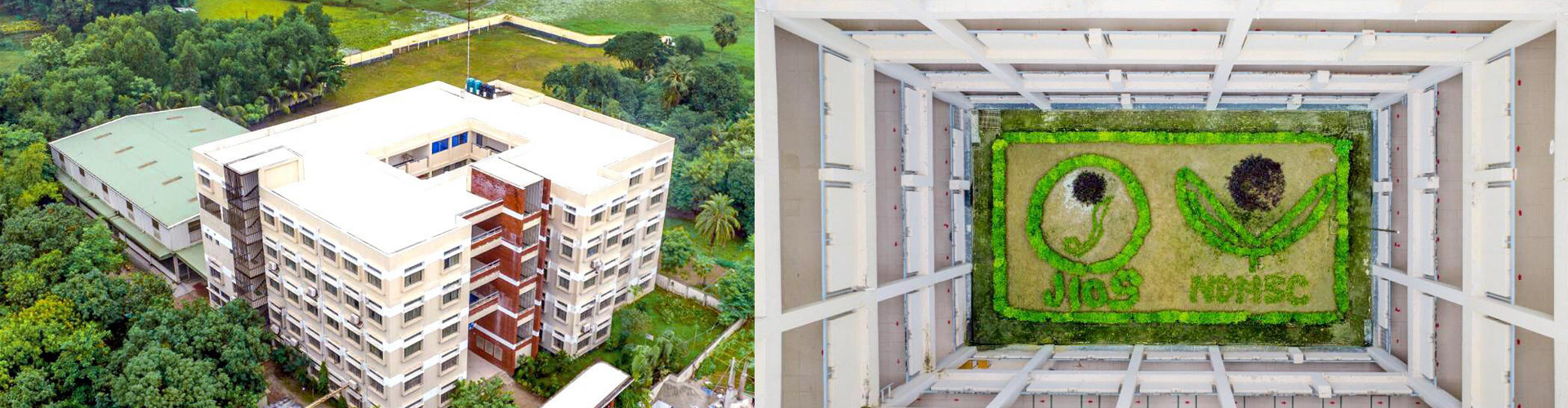
JIDSC boasts a five-storied building with a large playground and indoor arena, spread over 2.14 acres. This school is equipped with a comprehensive library and modern amenities that create an ideal learning environment.
This school operates through eight key projects, each designed to enhance various aspects of student life:
Each project has specific objectives aimed at helping students pursue and accomplish their dreams, ensuring their overall development.
Every day at 8:30 am, the school and college staff holds a morning meeting to share important updates and start the day afresh. Principal Katsushi Furusawa, who leads the institution, provides daily advice, contributing to the school's reputation as a model college in Bangladesh.
This school and college dedicated team of experienced and qualified teachers, trained by both the government and Japanese experts, ensures high-quality education. Currently, JIDSC has five master trainers involved in teacher training programs for other institutions, emphasizing its commitment to excellence.
JIDSC believes in holistic development. This school and college encourages students to engage in a wide range of extracurricular activities. This school and college helping them stay abreast of global advancements and develop leadership skills for the future.
Recognizing the importance of financial support, JIDSC offers various scholarship programs for deserving students. Funded by Japan, these scholarships ensure that quality education is accessible to all, regardless of socio-economic background.
Every teacher at JIDSC also acts as a counselor, offering personalized guidance and support. This school and college provides comprehensive student support services, including career counseling, mentoring programs, and individualized academic guidance. JIDSC helping students navigate their educational journey and make informed decisions.
To cultivate responsible and capable individuals, JIDSC instills seven core promises in its students:
Japan International Dream School and College (JIDSC) exemplifies the ideal blend of academic rigor and personal development, making it the best English version school in Bangladesh. Its commitment to student welfare, innovative educational model, and comprehensive support services ensure that JIDSC remains a leading institution, preparing students for success in their future endeavors.

